A campaign film for The World Mosquito Program, that tells a story of hope, community and science joining forces to defeat the deadly spectre of disease
Challenge
The core challenge was to craft a powerful, human narrative that simultaneously champions WMP's scientific advances, celebrates the essential role of local communities, and inspires a collective commitment to positive change. We also wanted the film to alter perceptions, showing that the much-feared mosquito can be a part of the solution, not just the problem. We developed an emotive, cinematic film designed to generate intrigue and encourage action. To ensure universal accessibility, the story is told without words, relying entirely on visual storytelling, a bespoke musical score, and intricate sound design.
Context
Mosquito-borne diseases kill more than 1 million people and infect up to 700 million each year – 1 in 10 people globally. Dengue is the fastest spreading mosquito-borne disease in the world, infecting 400 million people every year. Studies predict over 8 billion people could be at risk of malaria and dengue by 2080.
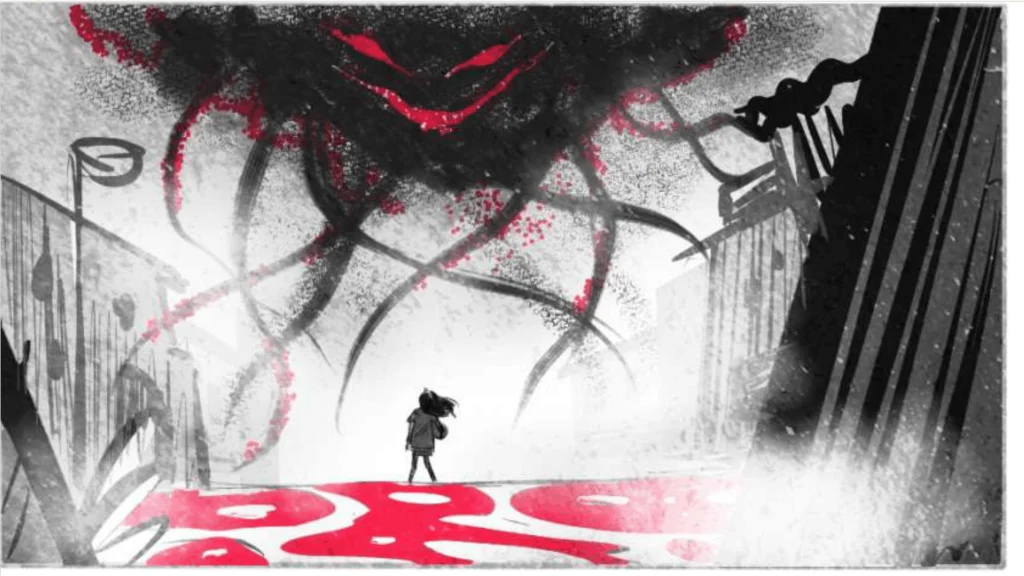
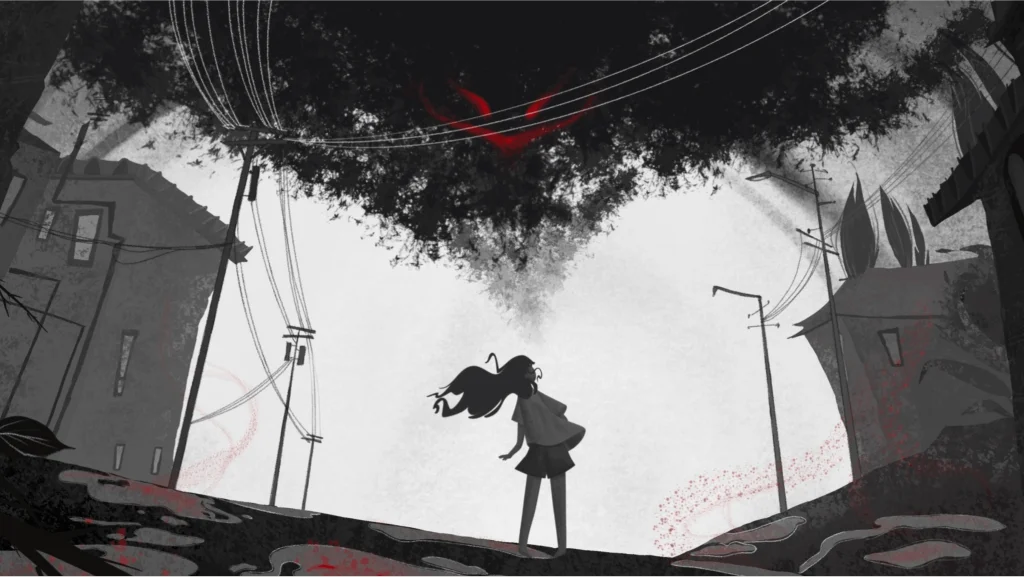
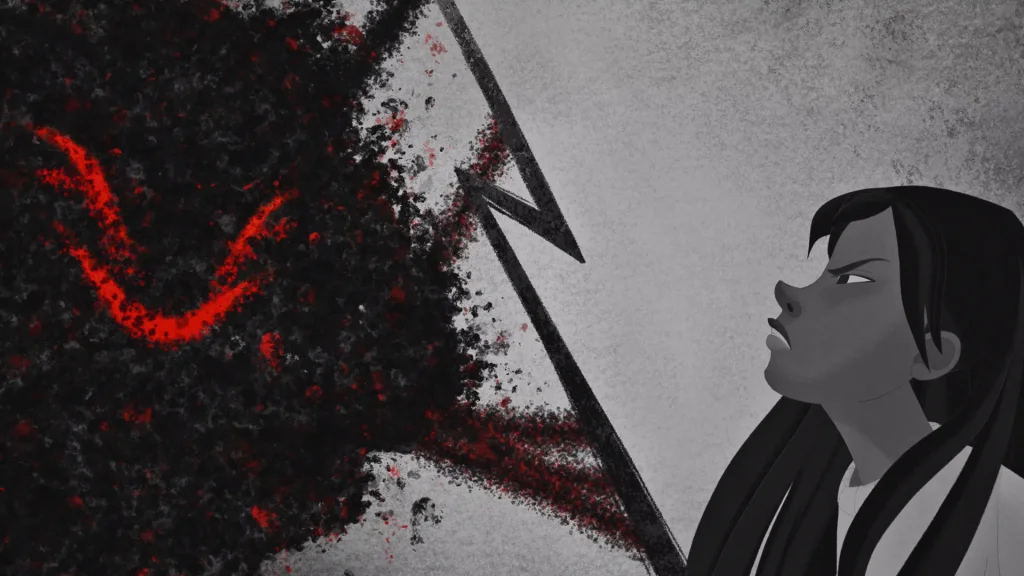
In the communities worst affected many describe living with the 'spectre of disease' hanging over them. Or living in its shadow. We took this idea as inspiration to create a 'spectre' made of millions of mosquitoes that visualises the invisible threat.
-transformed_-_abcdef_-_c373c6e1a77af2538ebee3ead371c5b44dee61e1.webp)
Wolbachia
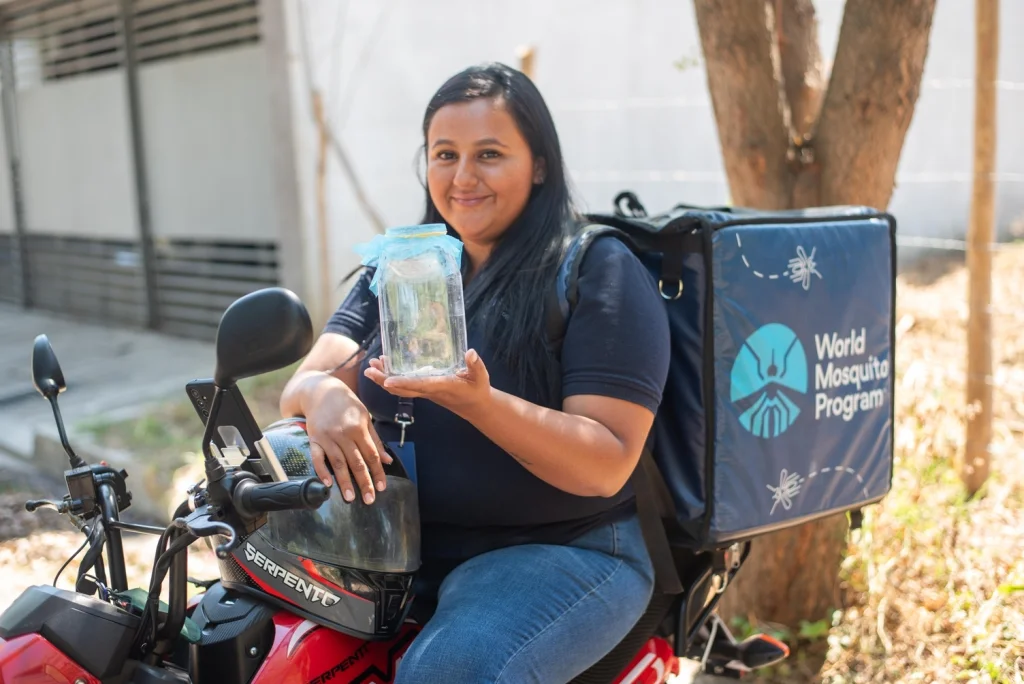
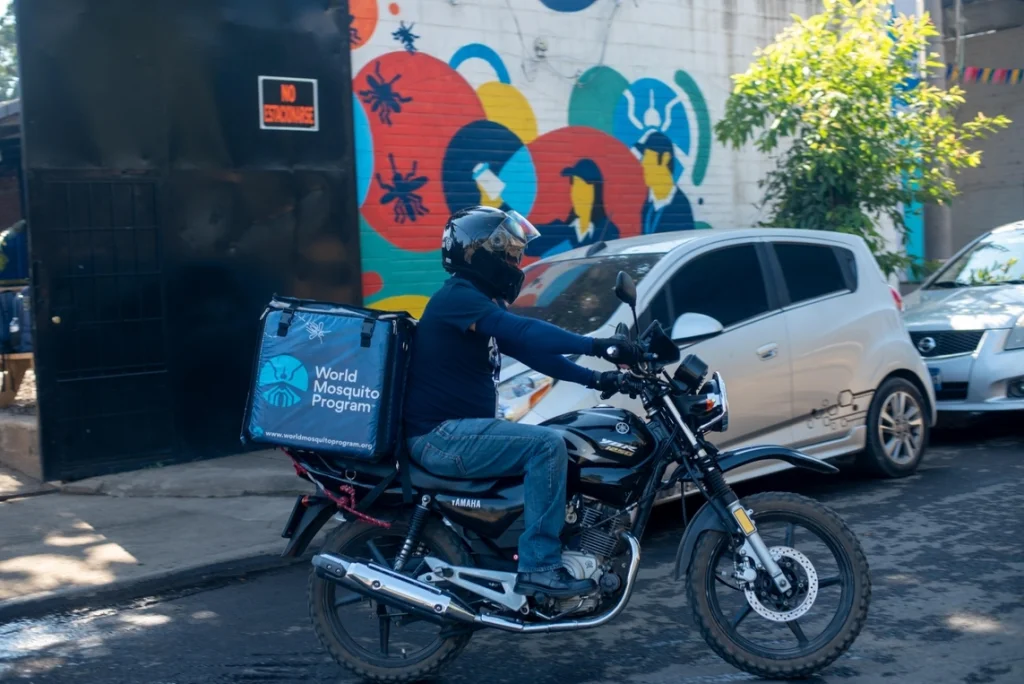
The World Mosquito is pioneering the fight against deadly mosquito-borne diseases with its groundbreaking Wolbachia method – a chemical free, natural solution with the potential to save millions of lives worldwide.
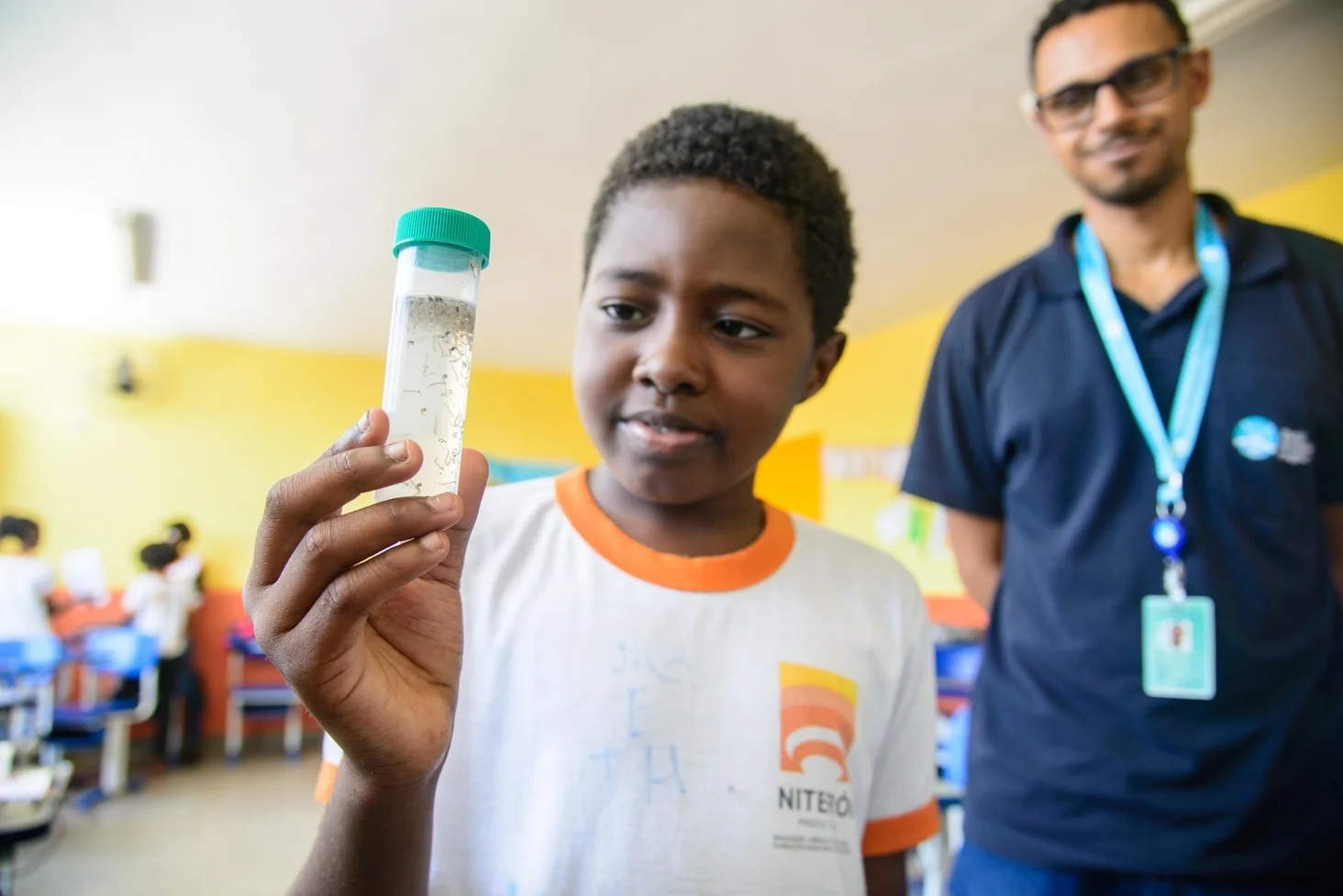
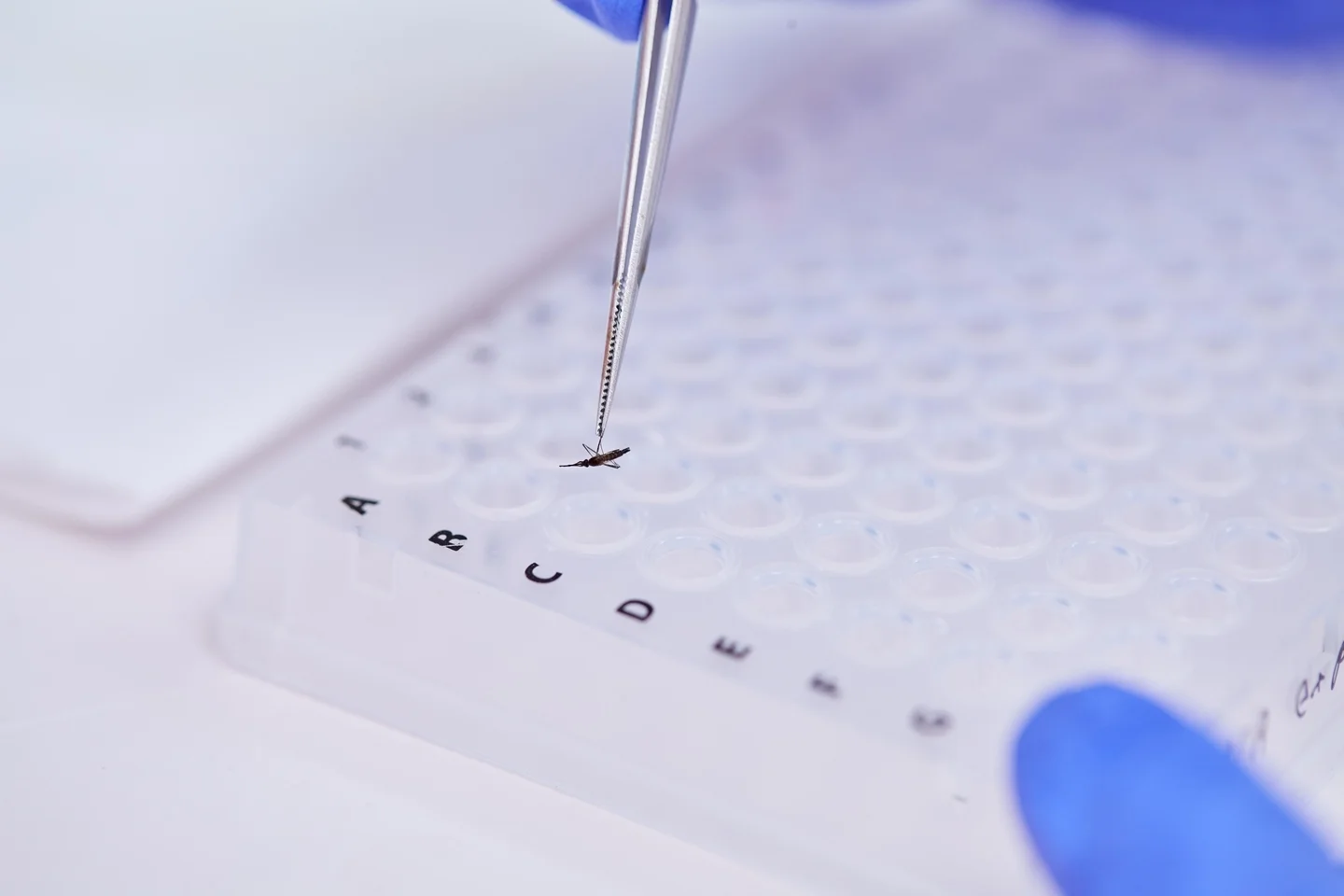
Wolbachia blocks viruses like dengue, chikungunya and Zika from growing in the bodies of Aedes aegypti mosquitoes. This means that Wolbachia mosquitoes have a much reduced ability to transmit viruses to people.

_-_abcdef_-_7c2abedcf2959843687f12860e260cabaa2f932a.webp)

_(1)_-_abcdef_-_7c4eaf5509ba57d227173d295cdd6500fcb2b7ea.webp)
_-_abcdef_-_95bae5bed7342a614d86a7f7d8a93904cfb31be6.webp)
The idea
In the communities worst affected many describe living with the 'spectre of disease' hanging over them. Or living in its shadow. We took this idea as inspiration to create a 'spectre' made of millions of mosquitoes that visualises the invisible threat.
Creating a ‘monster’ character to represent the threat of disease enabled us to separate the mosquito itself from the infections. Mosquitos just do what mosquitos do, – they are not the bad guys in this story. And as we reveal at the end of the film, with the help of the Wolbachia method, they can be a part of the solution as well as the problem.
Narrative development
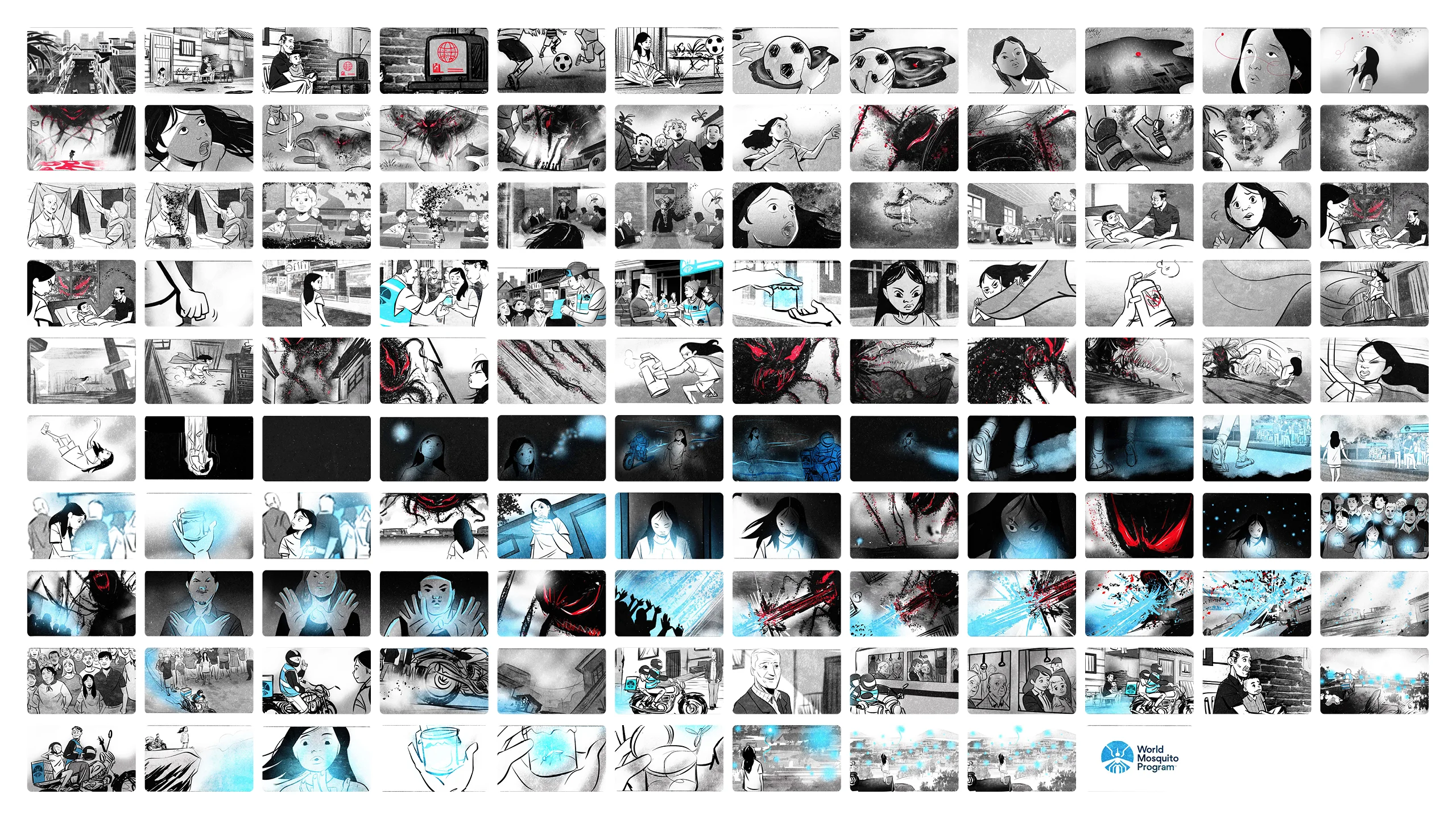
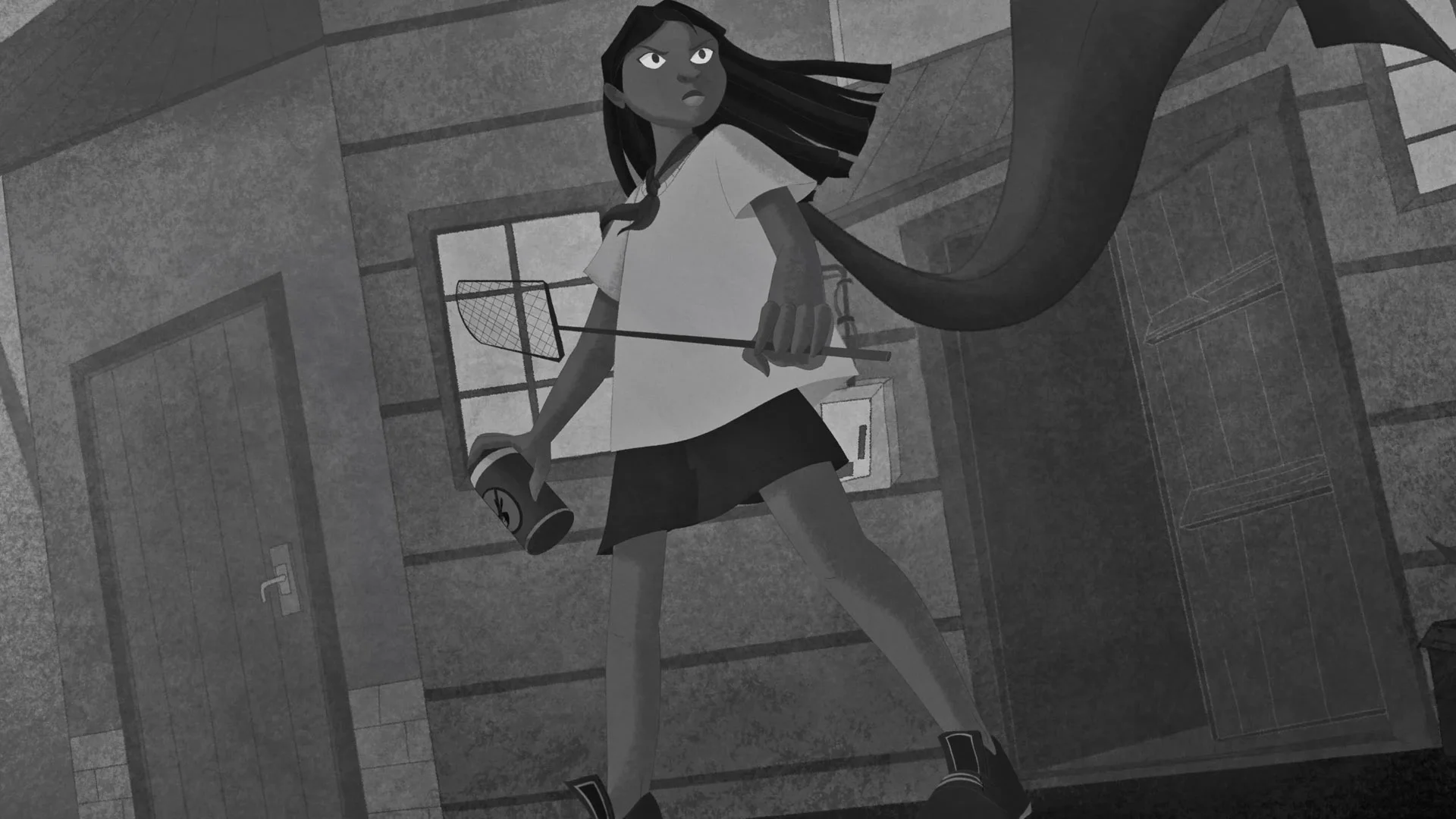
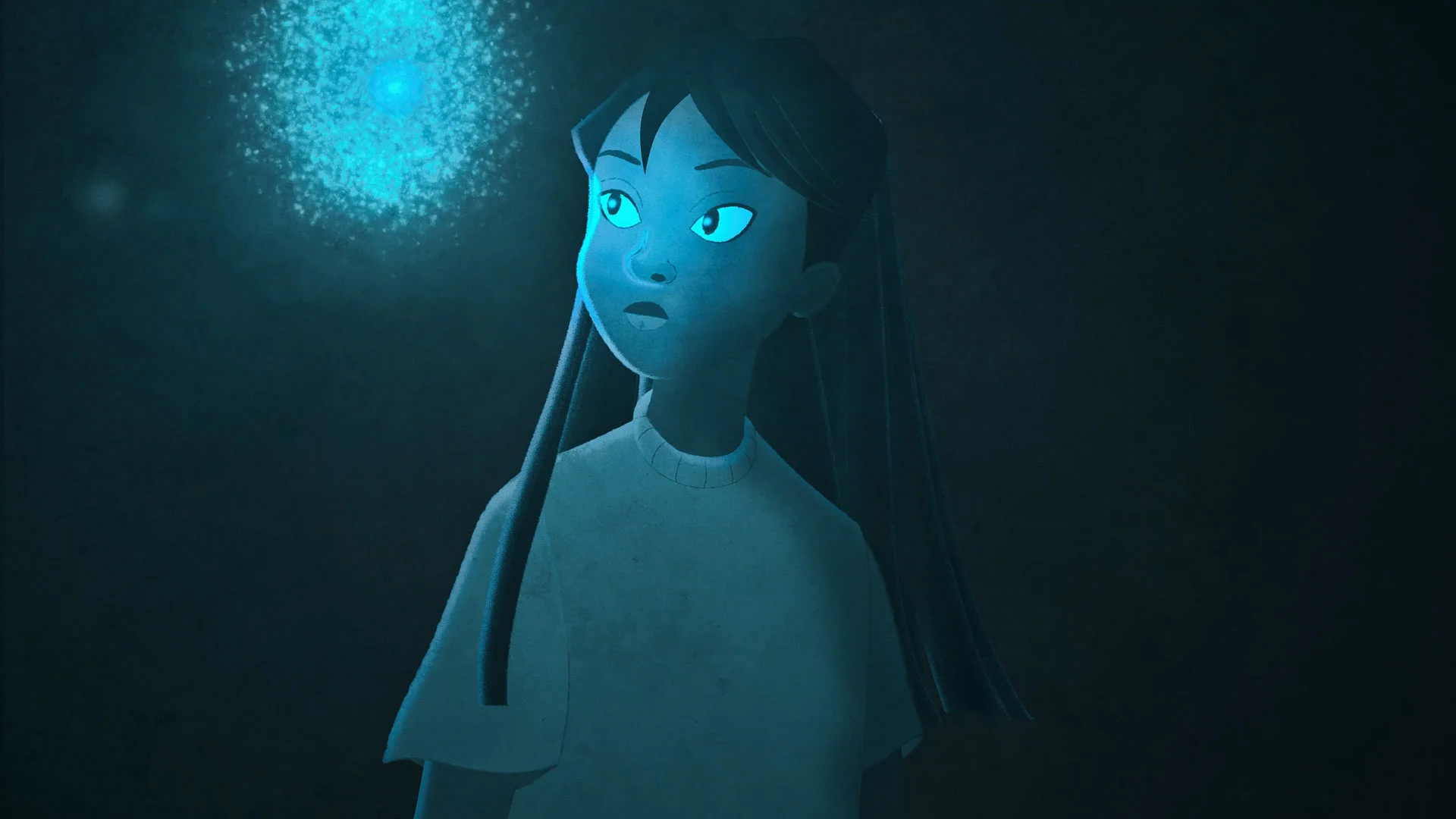
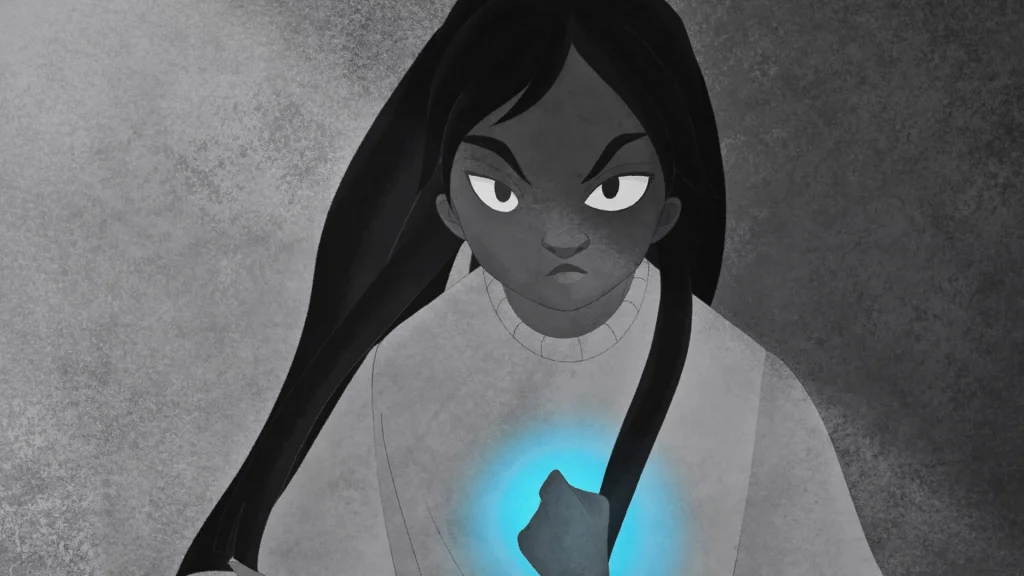
We developed a ‘heroes journey’ narrative for the film focusing on a child from a community badly affected by mosquito-borne disease. This brave and spirited young girl sees the devastating effects of the spectre in her neighbourhood, and in her own family, and decides to fight back.
It's too powerful to defeat alone; but then she discovers the work of the World Mosquito Program and the groundbreaking Wolbachia method. By bringing her community together, the girl learns that real strength comes from collective action. It is a hopeful story of courage, science and community working together to defeat one of the world’s deadliest threats.
By telling the story through a child's eyes, we made a complex, global issue accessible and personal, framing it with a childlike simplicity and imagination.
A human story
The narrative is designed to powerfully convey the devastating threat of the diseases and the profound real-life human suffering they inflict, whilst highlighting its indiscriminate nature and showing its impact across all demographics.
Our protagonist witnesses the spectral form manifest, is drawn into it, and sees its deadly grip enveloping people of all ages and socioeconomic backgrounds. She then finds herself in a busy hospital ward where medical staff are overwhelmed with demand. This is where she discovers her own brother has been infected, compelling her to take action.
The story must strike a balance: be expansive enough to represent the diversity of those affected, yet remain intimate and personal, ensuring the viewer is emotionally invested and fully engaged with the girl's journey.
Art style
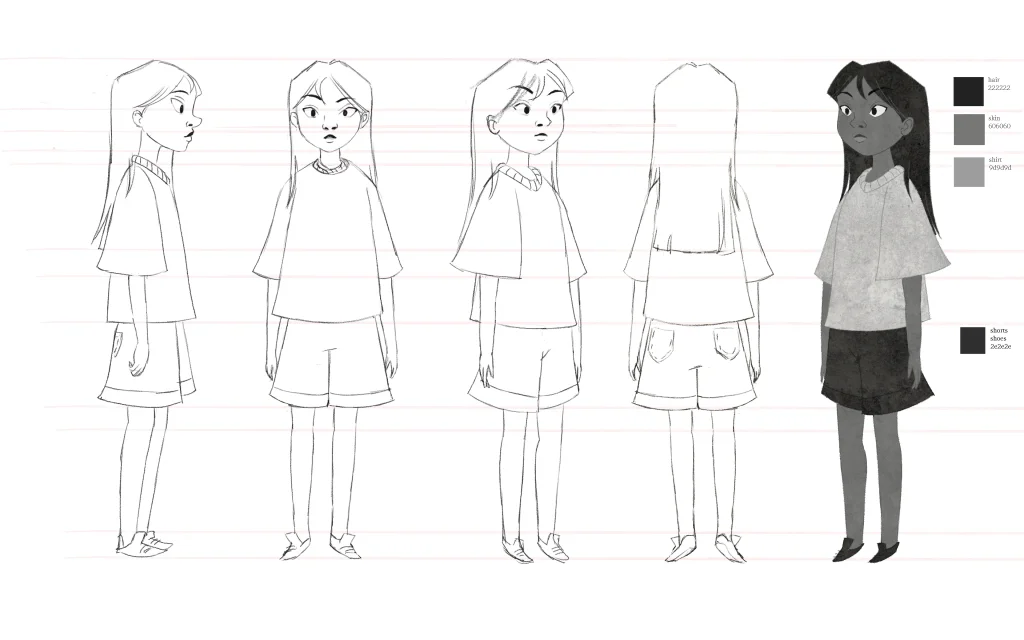
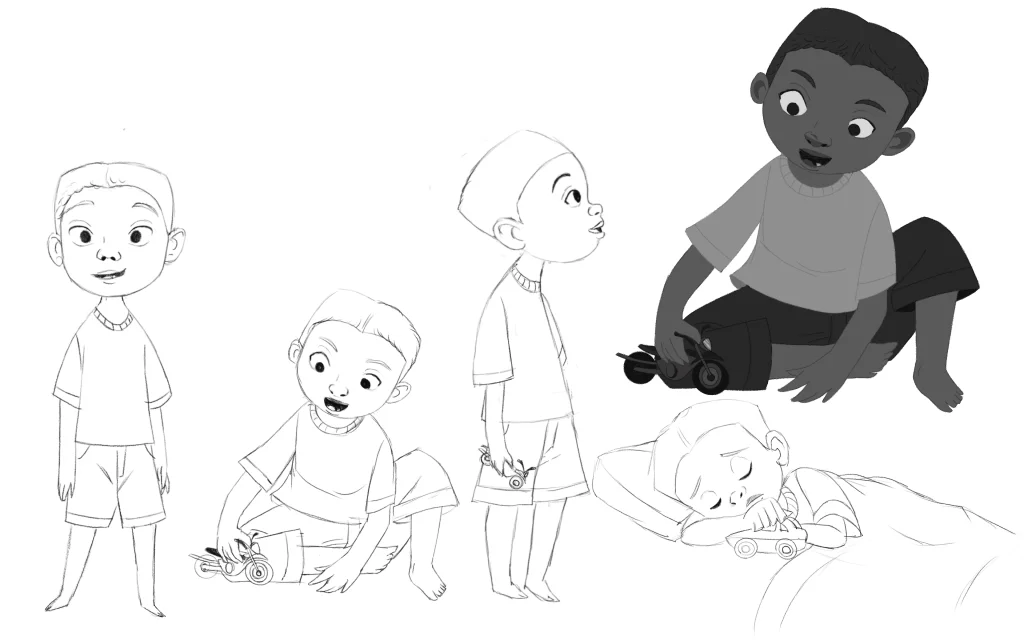
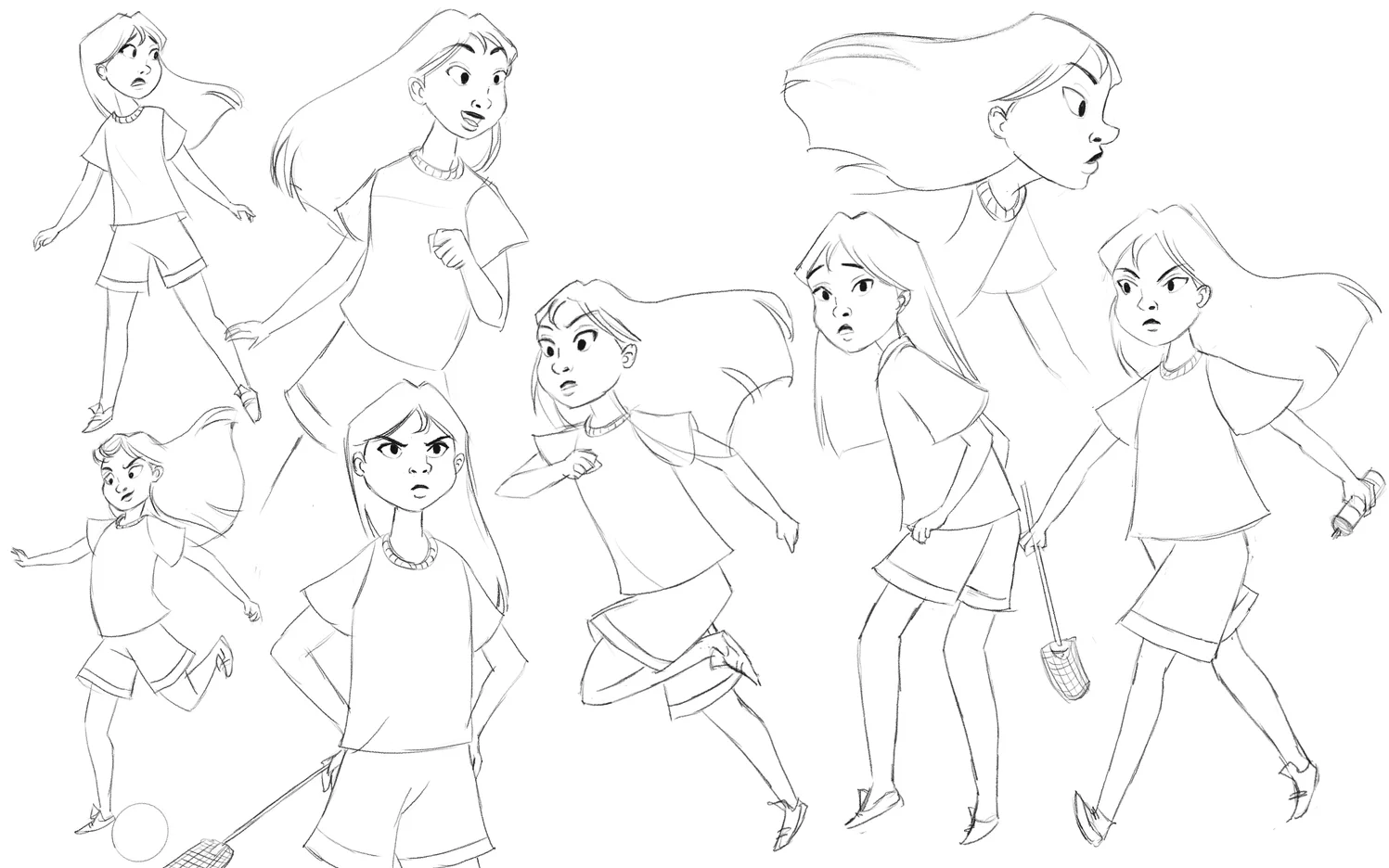
The artwork for the film is created entirely by hand making the film feel human and relatable. Soft brushes were to avoid crisp edges in favour of imperfect, hand-drawn strokes that add warmth and vulnerability.
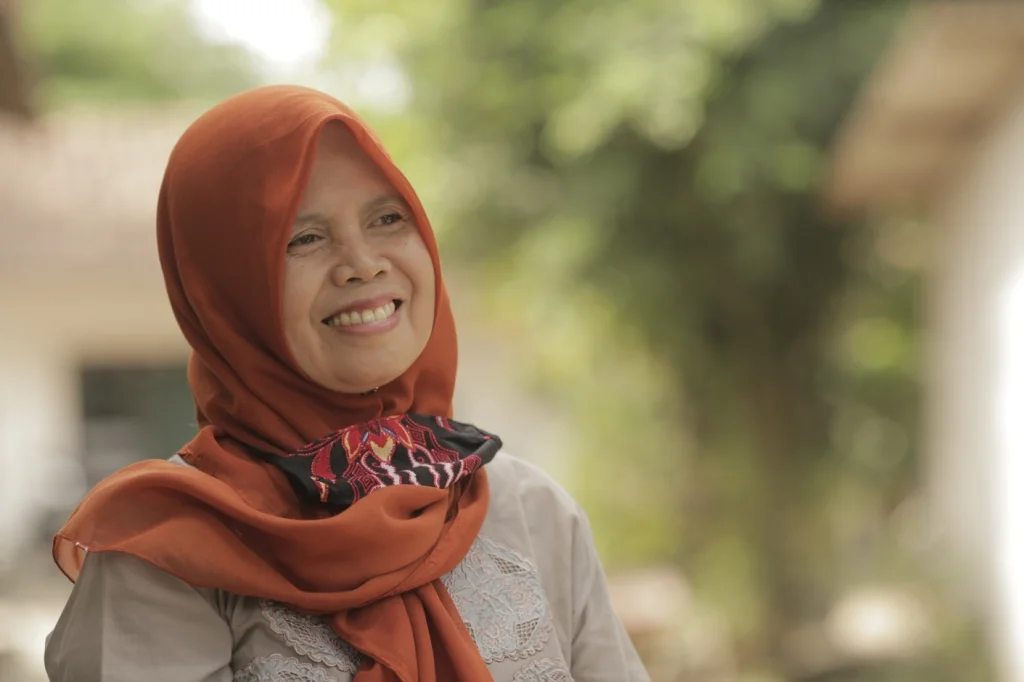
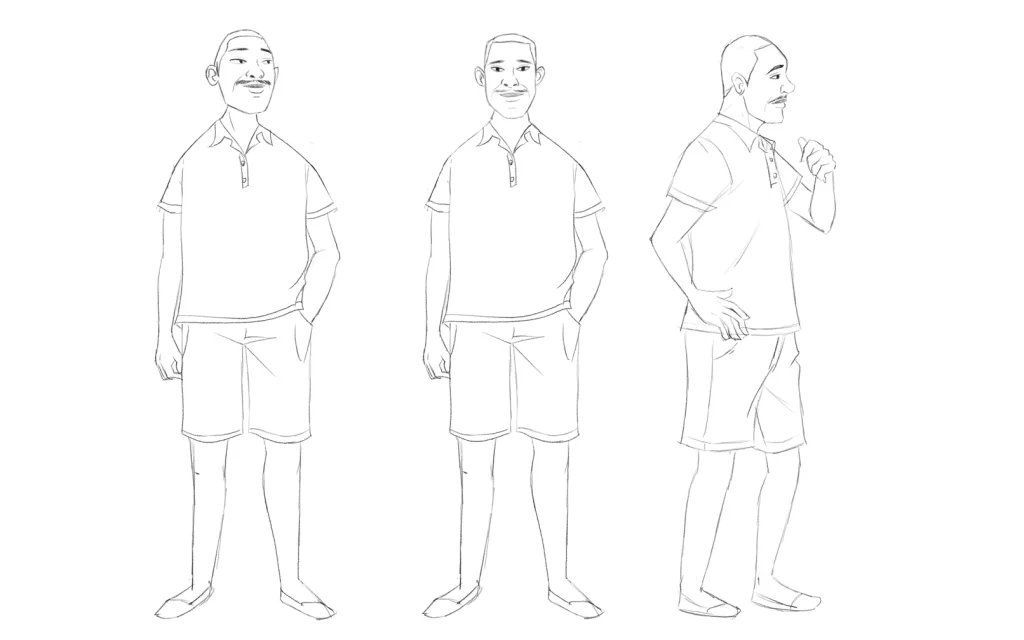
The story isn't set in a specific location, but we looked at lots of photography from the places WMP works for inspiration. Places like Indonesia and South America were a big influence in the development of the designs for people and places in the film. We wanted to ensure the film felt honest and realistic for people in those parts of the world, but also that it had a broad appeal globally.
-transformed_-_abcdef_-_6a4a26b84c02082fbc6bce35a3b29fb7a607ea23.webp)
Textures
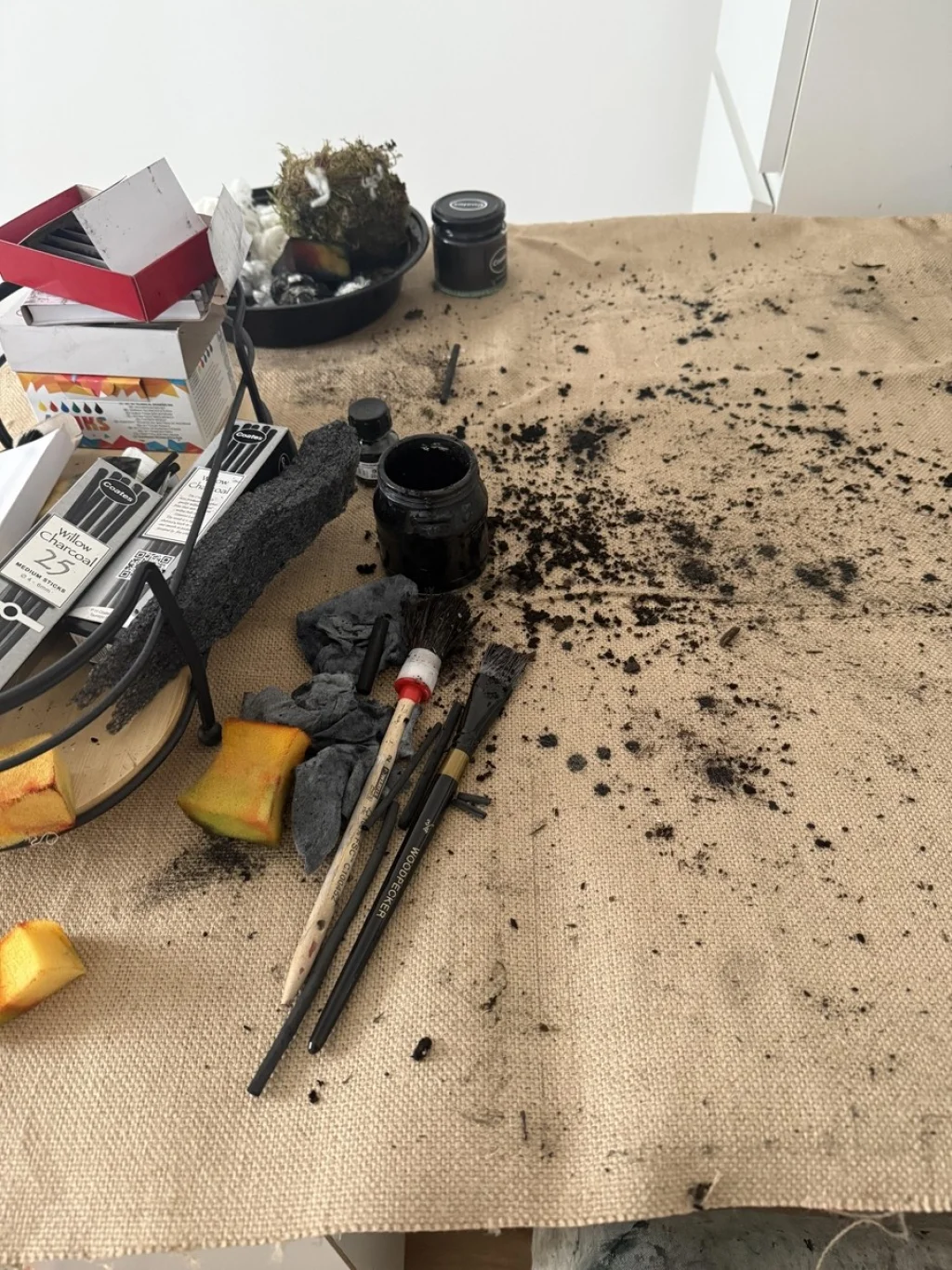
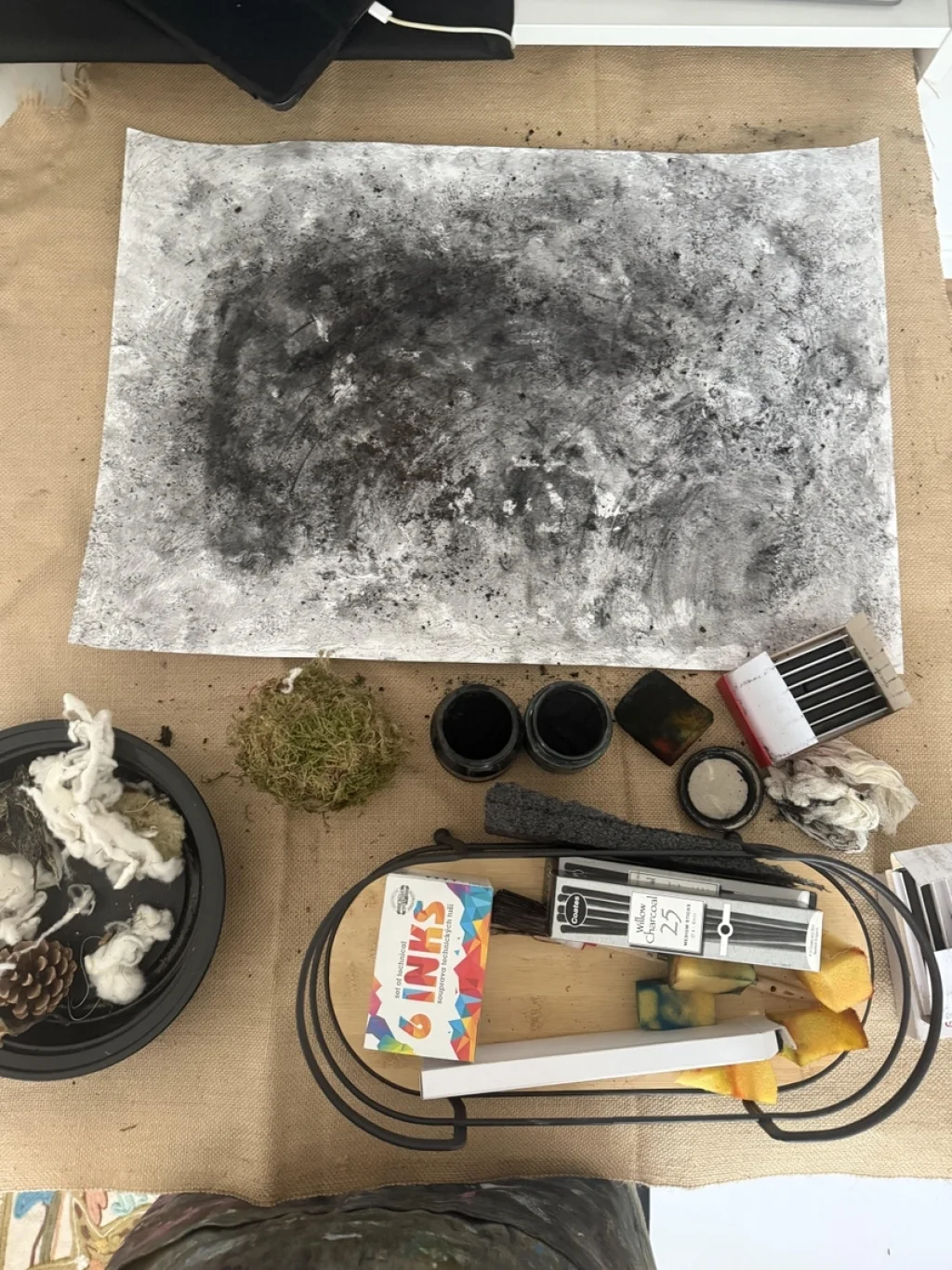
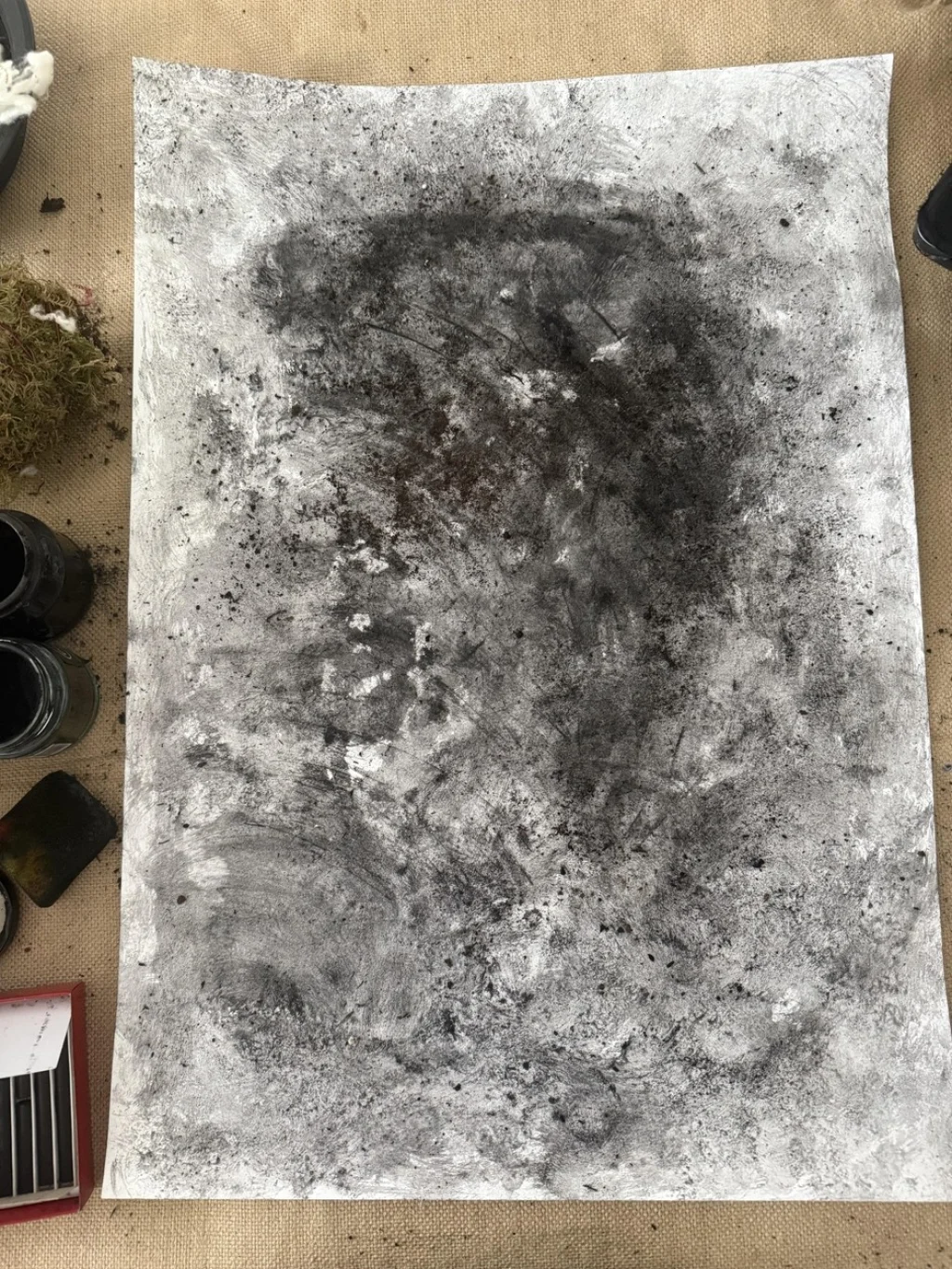
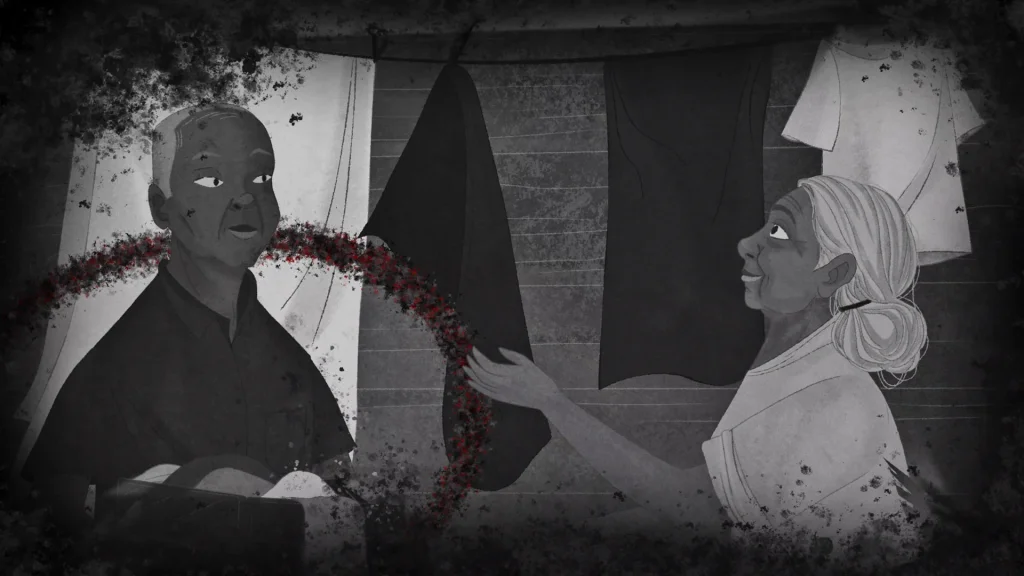
Texture is central to the style. We created a set of hand-made charcoal and ink marks to add the subtle smudges and imperfections of traditional media. These imperfect surfaces contrast with the more solid shapes of the characters, while soft, blended shading.
We wanted the artwork for the film to mix the realism, for it to feel authentic to the lived experience of people affected by these diseases, and fantasy, to represent the child's point of view and imagination.
_-_abcdef_-_afef2b3e2efca1881eff342ce449950c0553e018.webp)
_-_abcdef_-_e57168a3254dd55395333be8f52e156e32b3f829.webp)
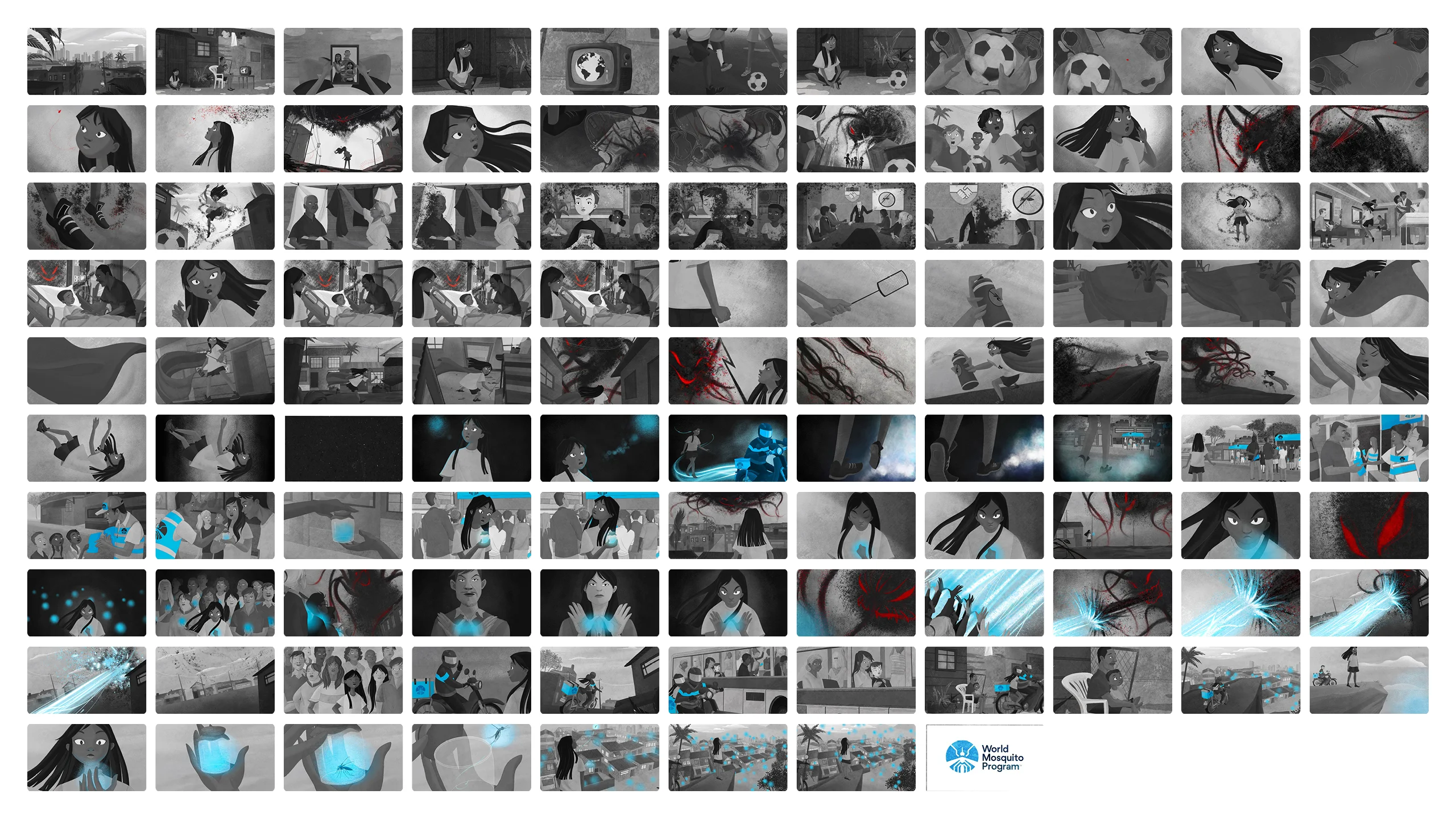
Final artwork
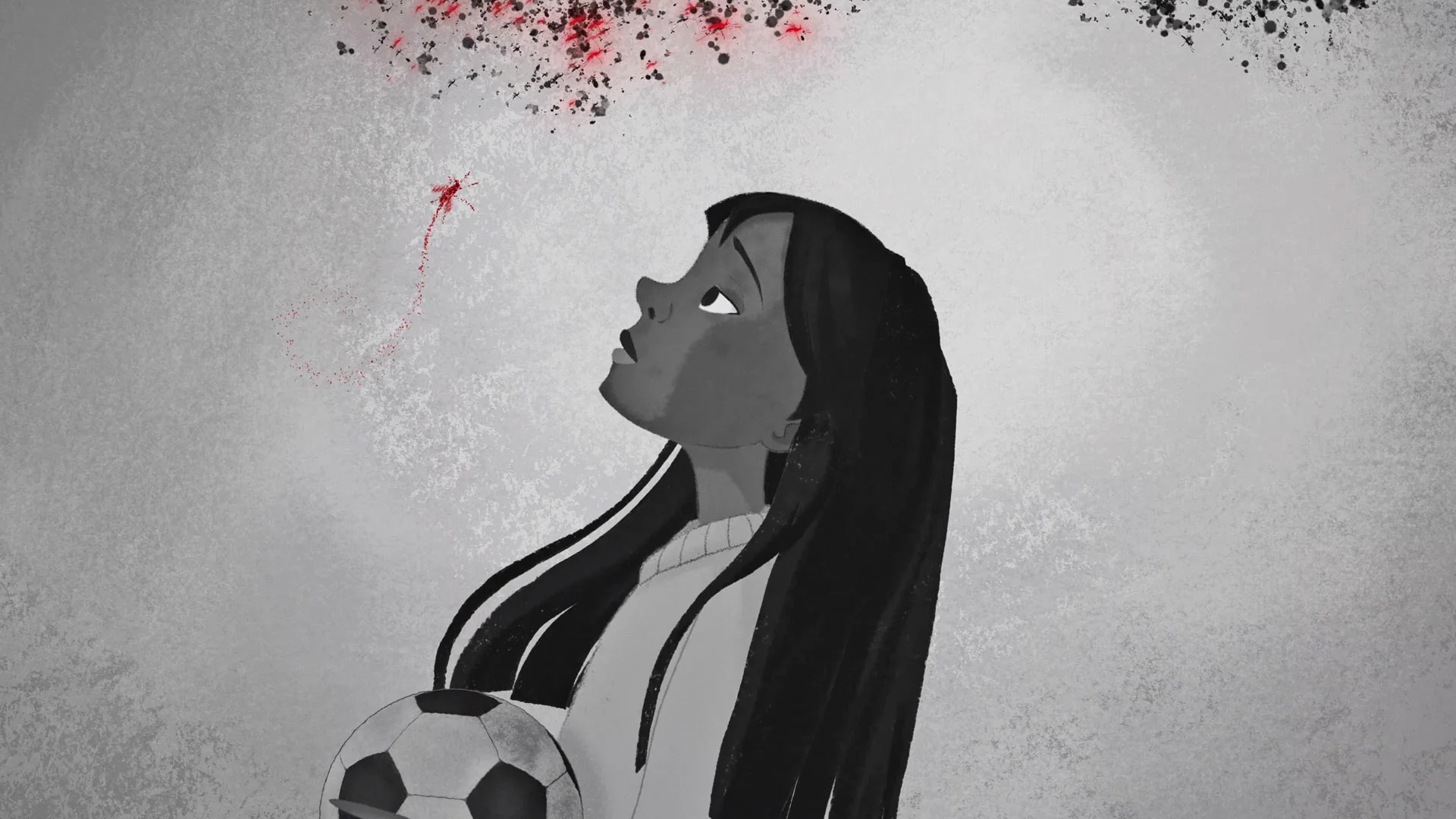
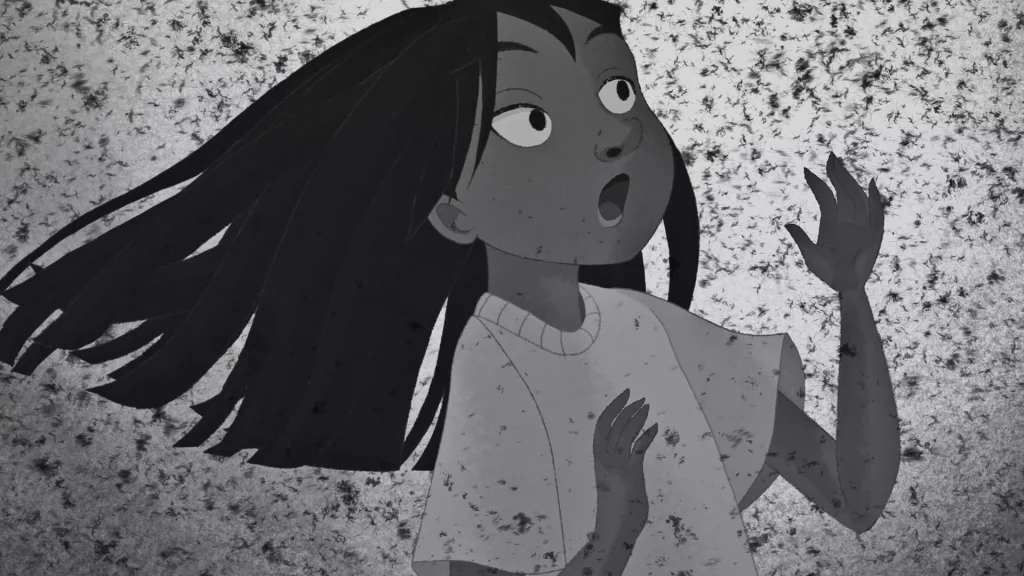
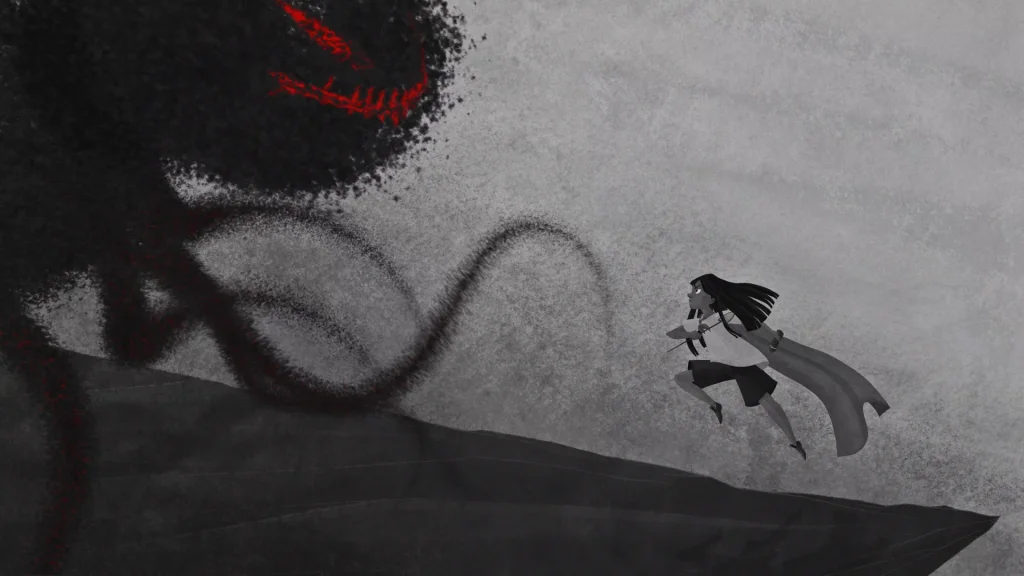
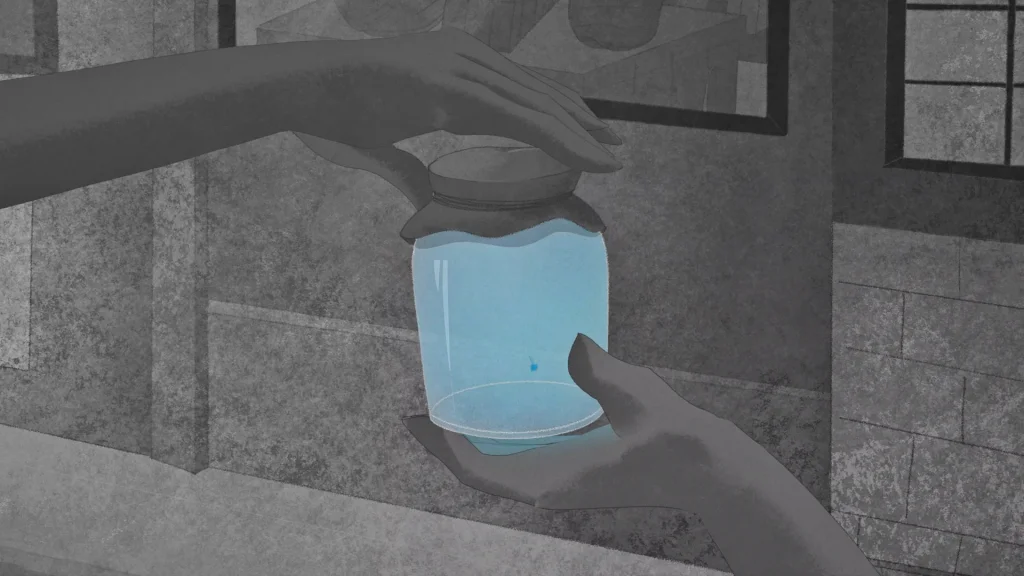
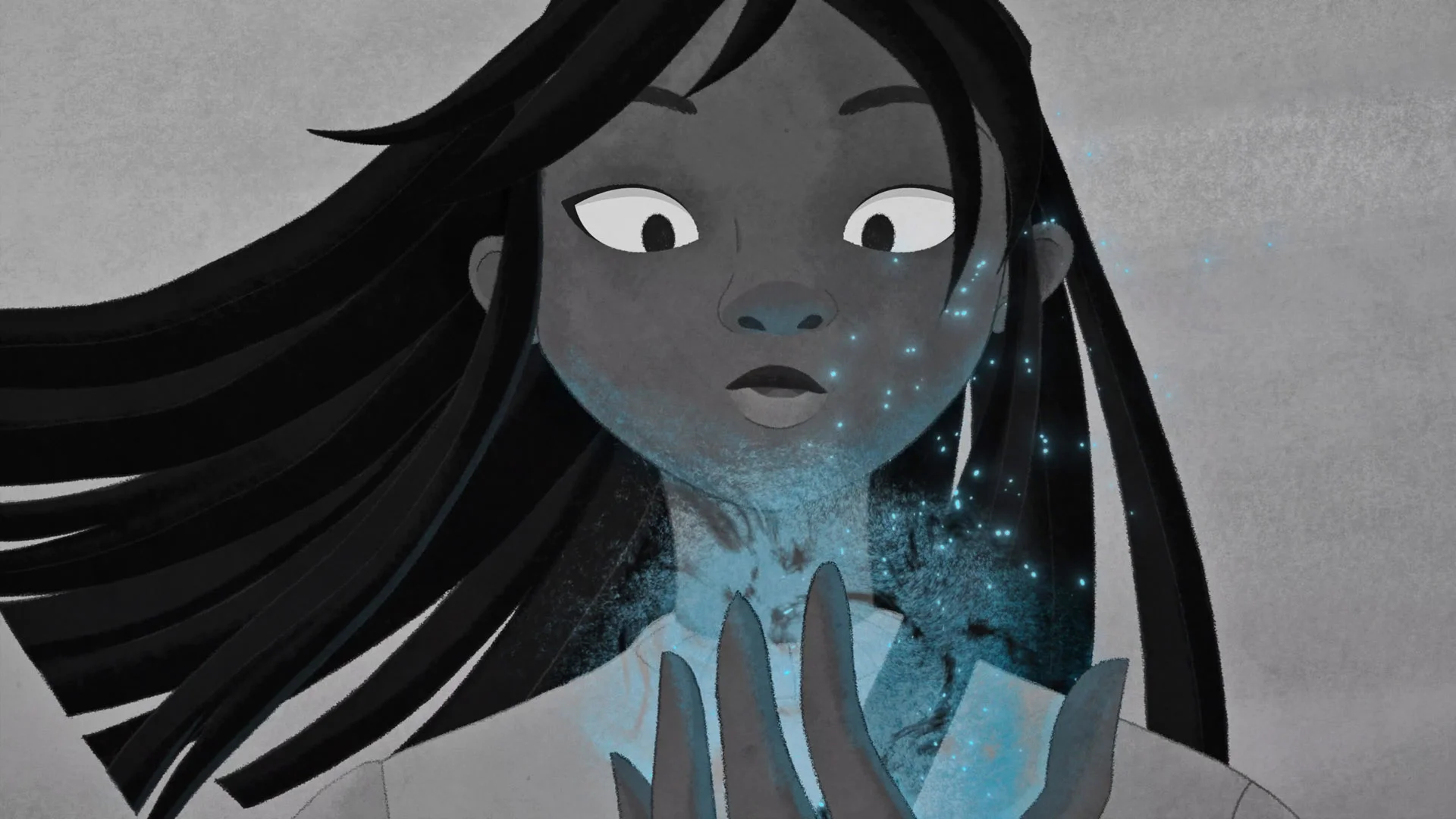
The hand-crafted artwork gives the film a tactile, human quality that feels accessible and expressive. The palette is restrained – soft greys and charcoal tones dominate, creating a thoughtful, reflective mood, while the use of glowing red signifying the non Wolbachia mosquitoes and the spectre, stand out with symbolic weight.
Composition and framing
To create powerful, cinematic compositions we use negative space to frame and isolate our hero character, drawing focus to her. The character designs have a subtly stylised look, with realistic proportion and enough facial detail to convey the emotion of the story.
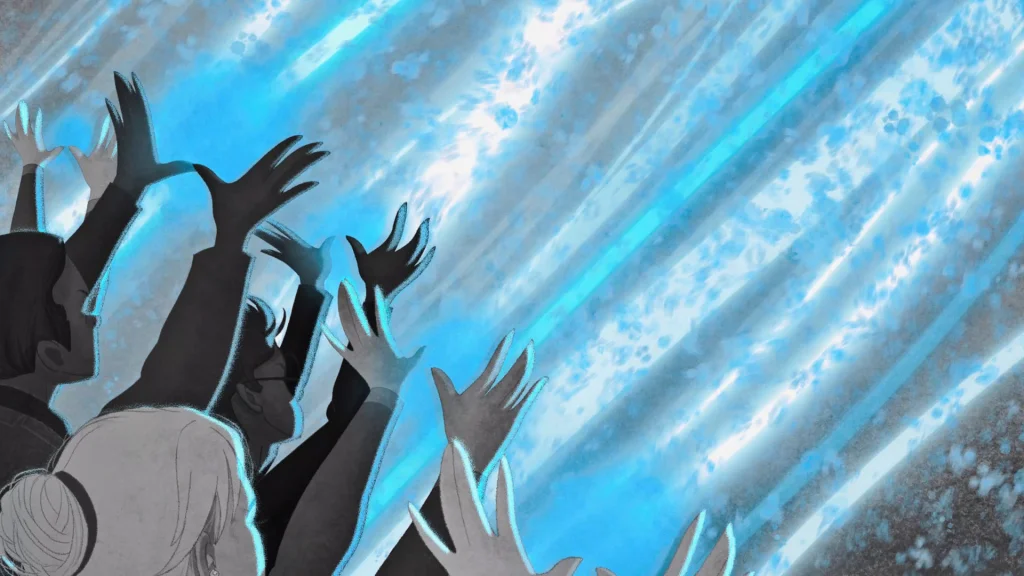
The use of the WMP brand blue is used in the second half of the film, to identify the brand and to signify hope. The blue glows enigmatically throughout the film – a strange and beautiful sight that our hero follows to the WMP lab. When the final battle with the spectre occurs this blue glow represents the power of Wolbachia and combined with the community action is powerful enough to defeat the threat.
Animation
The animation style for the film was based on realism, and had to feel nuanced and natural. We used a combination of 2D key-framed animation, frame by frame, and 3D motion to create the layered and complex animated sequences.
There was lots of R&D for this, testing different approaches to experiment with tools and software. There wasn’t a single method or workflow that worked for every shot. Each scene required something different.
The spectre
For the particle-heavy shots, especially those featuring the spectre, we used a mixed media approach between Cinema 4D and After Effects, with particle simulations done using Stardust.
Building the main animation and blocking in 3D gave us more freedom to explore movement and dynamics. Bringing everything into After Effects afterwards made it easier to assemble and gave us full control over the final look.
Particle simulations
The shots involving the spectre were especially challenging. Firstly, working out how to recreate the look of a million mosquitoes forming the spectre, and changing shape, and secondly because the particle simulations and detailed motion made them very heavy to process.
Early R&D testing was essential, and by the time we came to the final shots, we had already gone through a steep learning curve, and developed a reliable workflow, and efficient way of building and animating it.
Keeping it story-focused
The animation production process was so labour-intensive and complex that it was easy to become completely focused on that at times. We had to constantly sense-check the decisions we were taking were for the benefit of the story, and helped to make the film work better. We were very aware this is a complicated and nuanced subject matter, that many people would not be familiar with. The story had to make sense, and the viewer had to be able to relate emotionally with the main character and her experiences in the film.
Final shots
The final shots are carefully composed, expressive and visually striking, designed to evoke both the terrifying threat of the disease, and the power of hope and community action.
The visual language balances darkness and hope: the shadowy spectre made of millions of mosquitoes, representing the constant threat of disease, that hangs over the town, balanced against the calm blue glow that signifies hope, Wolbachia, and the work of the WMP in a powerful and optimistic way.
A global collaboration
This has been our most ambitious and challenging project in our ten years as a studio. The technical aspect of creating such complex animated sequences, and making the animation feel natural, realistic and nuanced. Telling a story that is emotive, human, and empowering, about such a complicated issue. Crafting the story and making it work without any words, and keeping it true to the science and authentic to the lived experience of people affected by these diseases.
It's been a truly global collaboration, working with the WMP teams in Indonesia, France and Australia; with the Flow team all over the UK and in Portugal, and the band in Denmark.
The project's ambition, though, is what truly sets it apart. We've created many campaign films for charities, but this one is on another level, with the potential to literally save millions of lives worldwide.
Musical score
To elevate the emotional resonance of the story, a bespoke musical score was composed by the critically acclaimed Danish band Efterklang, whose orchestral, atmospheric sound mirrors the film’s journey from fear to empowerment. It was a very collaborative process between the band, the client team and the film director, including a trip to the band's studio near Copenhagen to run through the storyboard and animatic and test some options for instrumentation and musical composition.
__-_abcdef_-_29b8c5a459cc8bf49acb65ec2780640623067489.webp)
__-_abcdef_-_4114be6582fef600060d1e57992b61026bc4f93e.webp)
__-_abcdef_-_9ab99f99fb5d3160380e6b96321c26558992623c.webp)
__-_abcdef_-_c32e81350ce9eeb9429c0a7d9744f54582402071.webp)
__-_abcdef_-_ed8e752add4c3a1b156b27fd002325c5118aac74.webp)
Just the beginning...
The film is being released as part of a global awareness and advocacy campaign by WMP, who will share it on their website, social channels and at events. They have also created a microsite for the film to make it easy to access. It premiered at a cinema in Pau, France, where one of WMP's main offices are, and will be used globally to lobby governments to sign up to the rollout of the Wolbachia method in their country.
The film will also be shown as part of the WMP's educational programme in schools all over the world, especially in areas most affected by mosquito-borne diseases - Asia / South America / Australia.
We can't wait to see how it helps to make a difference, and helps WMP to save even more lives!
Working with Flow has been an exceptional experience from start to finish. They took a complex global health challenge and transformed it into a beautifully crafted, emotionally resonant story that speaks to audiences in a truly human way. Their commitment to hand-drawn craft, storytelling and detail shines through in every frame, bringing both sensitivity and clarity to the work of the World Mosquito Program. The film captures not only the urgency of our mission, but also the hope and collective action at its heart. It has already become a powerful tool in helping us engage communities, partners and governments around the world. We couldn’t have asked for a more thoughtful and dedicated creative partner.
Contributors & Credits
- Director: Karl Doran
- Producer: Sarah Ritchie
- Executive producers: Bruno Col, Alex Jackson
- Musical score: Efterklang
- Writer: Michelle Collier
- Lead artist: Eleonora Asparuhova
- Lead animator and 3D artist: Guilherme Gomes
- Animators: Guilherme Gomes, James Lawson, Rosa Kennedy, Tom Mathieson, James Horton
- Editor: Karl Doran
- Designer: Josh Taylor
- Storyboard artist: Erinc Kargan
- Art assistant: Georgia Collins
- Sound design: Rob Williamson